
What Is Radon? Understanding the Invisible Risk in Your Home
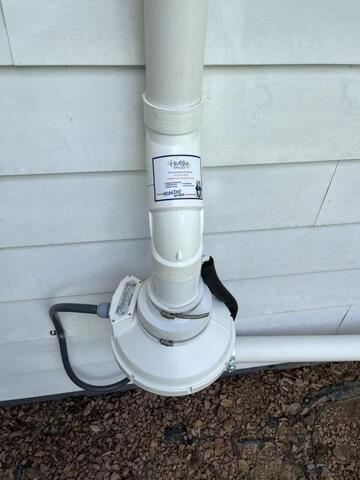
When people think about indoor air quality, they often focus on dust, mold, or allergens. But one of the most important air quality concerns is something you can’t see, smell, or taste: radon.
Radon is a naturally occurring radioactive gas that can build up inside homes and buildings. Because it’s invisible and doesn’t cause immediate symptoms, many people don’t realize they have elevated radon levels until they test for it.
Where Does Radon Come From?
Radon forms naturally as uranium breaks down in soil, rock, and groundwater. Outdoors, radon typically disperses into the atmosphere and doesn’t pose a concern. Indoors, however, it can become trapped and accumulate over time.
Radon commonly enters buildings through:
-
Cracks in foundations and basement floors
-
Gaps around pipes and utility openings
-
Crawl spaces
-
Construction joints
-
Well water in some cases
Any home can have radon—new or old, large or small, with or without a basement.
Why Is Radon a Concern?
Long-term exposure to elevated radon levels increases the risk of lung cancer. According to public health agencies, radon is one of the leading causes of lung cancer among non-smokers.
The risk depends on:
-
The concentration of radon in the building
-
How long someone is exposed
-
Additional factors such as smoking history
Because radon exposure happens gradually and without obvious warning signs, testing is the only way to know your indoor levels.
How Do You Test for Radon?
Radon testing is simple and straightforward. Homeowners can use short-term or long-term radon test kits, or work with a qualified professional for more comprehensive testing.
Testing is especially recommended:
-
When buying or selling a home
-
After major renovations
-
If you’ve never tested before
-
Periodically over time, even if previous results were low
What Happens If Radon Levels Are High?
The good news is that elevated radon levels can often be reduced effectively.
Professional mitigation systems typically work by venting radon gas from beneath the home before it enters indoor living spaces. In many cases, these systems can significantly lower radon concentrations and improve indoor air quality.
Creating Healthier Indoor Spaces
Healthy indoor environments start with understanding what you can’t always see. Radon may be invisible, but identifying and addressing it is a practical step toward protecting the people who live and work in your space.
If you’re concerned about radon levels, testing is the first place to start—and taking action early can help create a safer, healthier environment for years to come.