
How to Remove Water from a Yard with No Slope: The Best Outdoor Drainage Solutions
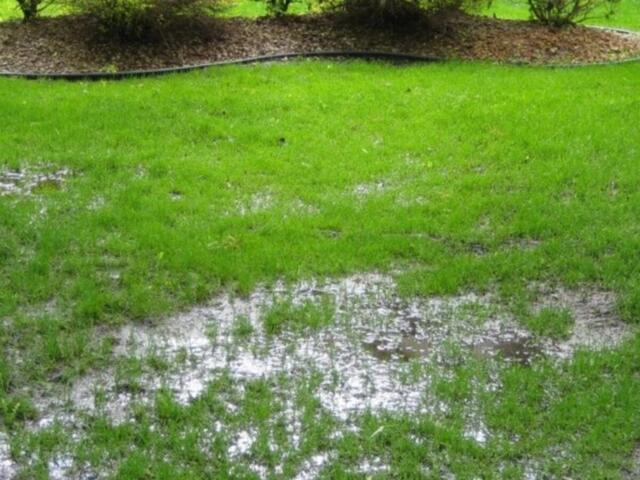
If your yard turns into a muddy mess after every rainstorm, you're not alone. Standing water is one of the most common drainage problems homeowners face—especially in yards with little or no natural slope.
Poor drainage doesn't just make your lawn unusable. It can damage your landscaping, kill grass, attract mosquitoes, and even threaten your home's foundation if left untreated.
The good news? Even if your yard is perfectly flat, there are effective drainage solutions that can keep water moving and protect your property.
Why Does Water Pool in Flat Yards?
Water naturally flows downhill. When your yard has little to no slope, rainwater has nowhere to go. Instead, it collects in low spots and remains there until it slowly evaporates or soaks into the ground.
Several factors can make the problem worse, including:
-
Heavy clay soil that drains slowly
-
Compacted soil from years of foot traffic
-
Poor grading around the home
-
Downspouts that discharge too close to the foundation
-
High water tables
-
Neighboring properties that drain into your yard
Identifying the source of the water problem is the first step toward choosing the right drainage system.
Signs You Need Better Outdoor Drainage
You may need professional drainage improvements if you notice:
-
Standing water lasting more than 24-48 hours after rainfall
-
Muddy areas that never dry out
-
Grass dying in wet spots
-
Water collecting near your home's foundation
-
Mosquitoes breeding in puddles
-
Basement or crawl space moisture
-
Soil erosion around landscaping
Ignoring these issues can lead to costly repairs down the road.
Best Drainage Solutions for Flat Yards
Fortunately, several drainage systems are designed specifically for yards with little or no slope.
1. French Drains
A French drain is one of the most effective solutions for removing excess groundwater.
This system consists of a perforated pipe surrounded by gravel and wrapped in filter fabric. Water enters through the gravel, flows into the pipe, and is carried away from your yard.
French drains work especially well for:
-
Consistently wet lawns
-
Foundation drainage
-
Saturated landscaping beds
-
Areas where water seeps up from underground
2. Catch Basins
If water consistently collects in one area, a catch basin can intercept it before it causes damage.
Catch basins collect surface water through a grated opening and connect to underground pipes that transport water to a safe discharge location.
They're ideal for:
-
Low spots in the yard
-
Patio drainage
-
Driveways
-
Areas beneath downspouts
3. Channel Drains
Channel drains are long, narrow drains installed across hard surfaces like driveways, sidewalks, patios, or pool decks.
They quickly collect surface runoff before it reaches your home or garage.
4. Dry Wells
A dry well is an underground chamber that temporarily stores stormwater and slowly allows it to soak into the surrounding soil.
This is an excellent solution when there isn't a convenient place to discharge collected water.
Dry wells are often paired with French drains or downspout extensions.
5. Downspout Extensions
One of the simplest drainage improvements is extending your gutter downspouts.
Many homes discharge roof water only a few feet from the foundation. During heavy rains, thousands of gallons of water can saturate the soil around your home.
Extending downspouts 10 to 20 feet away can dramatically reduce standing water and foundation issues.
6. Yard Regrading
Even a perfectly flat yard can often benefit from subtle grading improvements.
A drainage professional can reshape portions of the landscape to create gentle slopes that encourage water to flow naturally toward drainage systems.
In many cases, only a few inches of elevation change can make a significant difference.
Improve Soil Drainage
Sometimes the soil itself is the problem.
Heavy clay holds water for long periods, while compacted soil prevents rain from soaking into the ground.
Improving drainage may involve:
-
Core aeration
-
Adding compost or organic matter
-
Installing drainage trenches
-
Replacing heavily compacted soil
These improvements help water infiltrate faster while promoting healthier grass.
Why DIY Solutions Often Fall Short
Many homeowners try temporary fixes like digging shallow trenches or adding extra topsoil.
While these methods may provide short-term relief, they often fail to address the underlying drainage problem.
Professional drainage systems are carefully designed based on:
-
Soil conditions
-
Water flow patterns
-
Property elevation
-
Existing landscaping
-
Foundation protection
The right solution depends on how water moves across your entire property—not just where the puddles appear.
Protect Your Home Before Small Problems Become Expensive Repairs
Standing water is more than an inconvenience. Over time, poor drainage can contribute to:
-
Foundation damage
-
Basement leaks
-
Landscape erosion
-
Dead grass and plants
-
Mold and mildew
-
Increased mosquito populations
Investing in the proper drainage system today can save thousands in future repairs.
Healthy Spaces Can Help
At Healthy Spaces, we design customized drainage solutions that solve water problems at their source. Whether your yard needs a French drain, catch basin, grading improvements, or a complete drainage system, our team can evaluate your property and recommend the best long-term solution.
Don't let standing water take over your yard. Contact Healthy Spaces today to schedule a drainage assessment and enjoy a healthier, drier outdoor space all year long.