
Crawl Space Encapsulation vs. Vapor Barriers: What's the Difference?
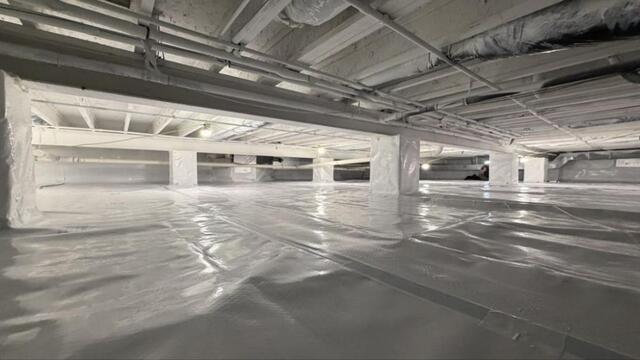
If you've been researching ways to protect your home's crawl space, you've probably come across the terms vapor barrier and crawl space encapsulation. While they're often mentioned together, they're not the same thing.
Understanding the difference can help you make the right decision for your home, your budget, and your long-term comfort.
What Is a Vapor Barrier?
A vapor barrier is a sheet of durable plastic that's installed over the exposed soil in your crawl space. Its primary purpose is to reduce the amount of moisture that evaporates from the ground into the crawl space.
A basic vapor barrier:
- Covers the dirt floor
- Helps reduce ground moisture
- Can improve humidity levels
- Is typically one component of a larger moisture-control strategy
While a vapor barrier can help minimize moisture, it doesn't completely seal the crawl space from outside air or humidity.
What Is Crawl Space Encapsulation?
Crawl space encapsulation is a comprehensive system designed to isolate your crawl space from outside moisture and air.
Instead of simply covering the ground, encapsulation typically includes:
- A heavy-duty vapor barrier installed across the floor, walls, and support piers
- Sealed seams and edges
- Air sealing of vents and other openings
- Moisture management, such as drainage improvements if needed
- A dehumidifier to maintain healthy humidity levels
The goal is to create a clean, dry, controlled environment beneath your home.
The Biggest Difference
Think of it this way:
A vapor barrier helps reduce moisture coming from the ground.
Crawl space encapsulation addresses moisture from the ground, outside air, and humidity by creating a sealed environment.
Encapsulation includes a vapor barrier—but it goes much further.
Which One Is Right for Your Home?
The best solution depends on your crawl space and the problems you're experiencing.
A vapor barrier may be sufficient if:
- Your crawl space stays relatively dry.
- You're looking for basic moisture protection.
- There are no ongoing issues with mold, standing water, or high humidity.
Encapsulation is often the better investment if you notice:
- Musty odors inside your home
- High humidity
- Mold or mildew
- Wood rot
- Condensation on pipes or ductwork
- Increased pest activity
- Rising energy bills
Because encapsulation creates a more controlled environment, it can help protect your home's structure while improving indoor air quality and energy efficiency.
Benefits of Crawl Space Encapsulation
Many homeowners choose encapsulation because it offers long-term advantages, including:
- Better moisture control
- Reduced risk of mold and mildew
- Improved indoor air quality
- Lower humidity levels
- Greater energy efficiency
- Protection for wood framing and insulation
- A cleaner crawl space that's easier to inspect and maintain
Can You Install a Vapor Barrier Later?
Yes. In many cases, a vapor barrier can be upgraded into a full encapsulation system if additional moisture issues develop. However, if your crawl space already has significant humidity, water intrusion, or mold problems, it may be more cost-effective to address the entire system from the start.
A professional inspection can help determine which solution will provide the best long-term results.
Trust Healthy Spaces for Crawl Space Solutions
Every crawl space is different. At Healthy Spaces, we evaluate your home's specific conditions and recommend solutions that address the source of the problem—not just the symptoms.
Whether your crawl space needs a basic vapor barrier or a complete encapsulation system, our team can help you create a healthier, drier, and more energy-efficient home.
Ready to protect your home from crawl space moisture? Contact Healthy Spaces today to schedule a free crawl space inspection and learn which solution is right for you.