
What to Do If You Suspect Mold in Your Home
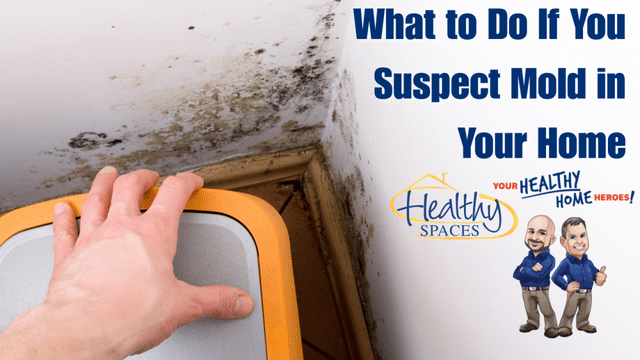
If you suspect mold in your home, the right steps are simple: don't disturb it, address the moisture source, get a professional inspection to locate and assess it, and have it properly removed, then take steps to prevent it from returning. Acting calmly and in the right order protects both your home and your family's health. This is the final part of our four-part mold education series, your practical action plan.
Step 1: Don't panic, and don't disturb it
Discovering, or suspecting, mold can be unsettling, but there is no need to panic. What matters is not making it worse. Disturbing mold, scrubbing it, or tearing into a suspect wall, can release a burst of spores into the air and spread the problem. If you see visible mold, leave it alone until you have a plan. Resist the urge to grab bleach and start scrubbing, which often treats the surface while leaving the real problem, the moisture and any hidden growth, untouched.
Step 2: Find and address the moisture source
Because every mold problem is really a moisture problem, the single most important step is identifying where the water is coming from. It might be an obvious leak, or it might be humidity, condensation, a damp crawl space, or past water intrusion you have forgotten about. Until the moisture source is resolved, mold will simply return, no matter how thoroughly it is cleaned.
Step 3: Get a professional inspection
This is where guesswork ends and answers begin. A professional healthy-home inspection can determine whether you have a mold problem, how widespread it is, and, crucially, where it is hiding. This is exactly where a mold detection dog like Daisy shines: she can pinpoint hidden mold behind walls, under floors, and in crawl spaces quickly and without demolition, so you know precisely what you are dealing with before any work begins. When identifying the specific type of mold matters, lab testing can complement the inspection.
Step 4: Have the mold properly removed
Effective mold remediation is more than wiping a surface. Done right, it means containing the area to prevent spores from spreading, removing the mold and any materials it has damaged, and thoroughly cleaning and treating the space. Professional remediation also ensures the work is done safely, protecting both your family and the crew from spore exposure during the process. This is not a job for a quick DIY pass when the mold is significant or hidden.
Step 5: Prevent mold from coming back
Once the mold is gone and the moisture source is fixed, prevention keeps it gone. Common measures include:
• Encapsulating and sealing a damp crawl space to control ground moisture
• Waterproofing a basement prone to leaks or humidity
• Improving drainage around the home to keep water away from the foundation
• Managing indoor humidity with proper ventilation or a dehumidifier
• Addressing leaks and condensation promptly, before they feed new growth
This whole-home approach, fixing the source, not just the symptom, is what keeps a home healthy for the long term.
When should you call a professional?
It is worth bringing in a professional if you see visible mold larger than a small patch, notice a persistent musty smell, have experienced water damage, or have family members with unexplained allergy or respiratory symptoms at home. A professional inspection gives you clarity and a clear path forward, and often far more peace of mind than trying to chase an invisible problem on your own.
Frequently asked questions
What should I do first if I find mold?
Don't disturb it, and don't try to scrub it away immediately, which can spread spores. Instead, identify and address the moisture source, then arrange a professional inspection to determine how widespread the mold is and where it is hiding.
Can I remove mold myself?
Very small surface patches can sometimes be cleaned by a homeowner, but significant or hidden mold should be handled professionally. DIY cleaning often treats the surface while leaving the underlying moisture and hidden growth untouched, so the mold returns.
How do I stop mold from coming back?
Prevent mold by eliminating the moisture that feeds it, through crawl space encapsulation, basement waterproofing, better drainage, humidity control, and prompt leak repairs. Removing mold without fixing the moisture source almost always leads to regrowth.
That completes our four-part mold education series. From understanding what mold is, to knowing where it hides, to meeting Daisy and building your action plan, you now have what you need to protect your home and the people in it.
Suspect mold in your home? Start with a healthy-home inspection from Healthy Spaces, and let Daisy help you find exactly what's hiding. Because every family deserves a healthy space.